From the Petri Dish to the Mine: These Microbes Dissolve Minerals
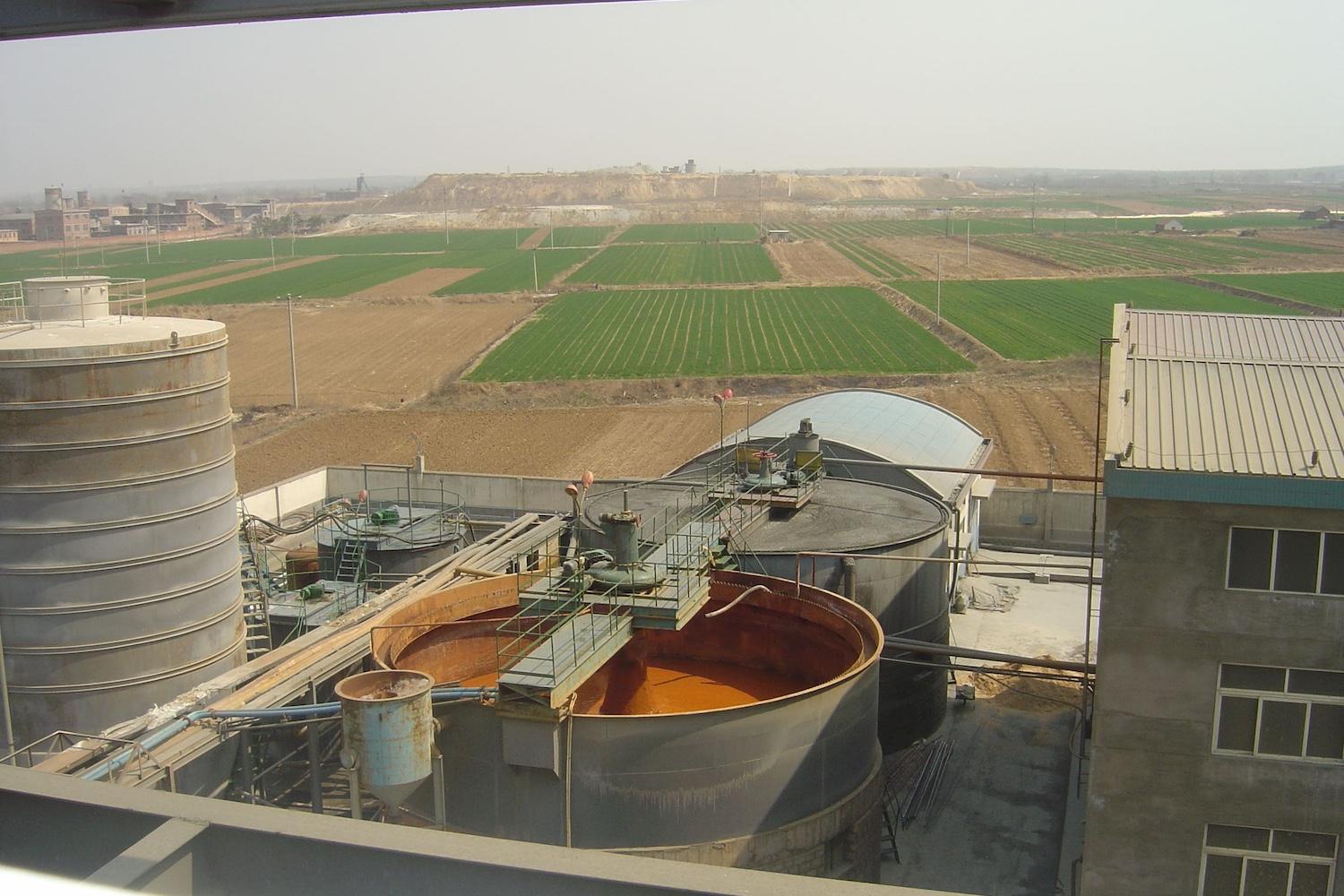
BacTech Environmental uses microbes to separate and stabilize impurities from gold ore, a process called bioleaching. (Image courtesy of BacTech Environmental.)
This article is part of our series on responsible mining solutions. The push for clean energy is fueled by growing demand for minerals. Conventional mining has a track record of harmful social and environmental impacts. Biomining is another potential solution to that problem.
Minerals are everywhere. Our blood is high in iron, bones are high in calcium, and a wide range of minerals like copper, nickel, and cobalt are essential to bodily functions.
We also need minerals to power the clean energy transition. We need lithium for rechargeable batteries, copper for almost all electric wiring, and a whole group of rare earth elements for other highly specialized jobs.
Don’t get nervous. I’m not suggesting we combine the ideas of the prior two paragraphs — let’s save mineral extraction from the human body for a dystopian sci-fi flick.
The point is that minerals are all around us and not exclusively in mine pits thousands of feet below the Earth’s surface. Minerals are in plants, seawater, air, garbage, and everything you see or touch.
The highest concentration of minerals is found in deposits beneath the earth’s surface, which is why we dig mines thousands of feet deep. But as those high-grade ores get depleted we have to start using low-grade ores, which means more work and higher costs to get less minerals. There are also substantial environmental and social costs from conventional mining that do not show up on the balance sheet.
“If we use traditional mining practices on low-grade ores, I think environmentally that will be horrible,” said Buz Barstow, assistant professor of biological and environmental engineering at Cornell University.
So, what can we do?
Call in the bugs
I don’t mean bugs in the creepy-crawly sense of the word, but rather the microscopic kind. One little guy on his own is utterly useless, but gather a few billion of his closest mates, and they can get into the nooks and crannies of low-grade ores, breaking them up to release the desired metal.
“Biomining provides about 15 percent of the world's copper and about 5 percent of the world's gold,” Barstow said.
At the world’s largest copper mine in Chile, a microbe solution is added to the low-grade ore waste piles. The bugs break up the ore and liquid copper, which filters down into a basin where they can collect and process the metal.
“It's actually called the world's biggest bioreactor. You can see this pile from space,” Barstow said. “It’s huge. It’s like 125 meters high, one kilometer long, and God knows how wide.”
One study suggests the surface area of the copper waste pad is about four square miles. That’s like 2,000 football fields, or one and a half Central Parks in New York City. And remember, the pile is about 400 feet tall.
While the bugs that work on this tectonic pile of rock are naturally occurring, the quantity and high concentration of them are not.
“I could not imagine that it is free of environmental impacts — it’s not mild in any way,” Barstow said. “But my feeling is that it will always be better than conventional methods. It’s probably one of the better choices that we have.”
This process, called bioleaching, produces byproducts like sulfuric acid that, if not handled properly, can spill into natural waterways. Managing environmental impacts is a point of intrigue for businesses and researchers, as is expanding this microbe’s palette beyond its steady diet of copper ore.
“The problem is that the bug is really good at working with ores that contain copper, but it's not very good with any other ore,” Barstow said. “And there are no other microbes in nature that can dissolve all the other types of minerals.”
Barstow and his team at Cornell are working to genetically alter and engineer new microbes that can be used to target the low-grade ores of other metals, beyond just copper.
This bug’s an expert gold miner
While gold isn’t vital to the clean energy transition, it plays a big role in making the capitalist world go round. And after catching wind of current economic uncertainties, some microbes decided to hedge their investments by acquiring gold.
One company that has had luck interacting with these gold-loving microbes is BacTech Environmental. The company uses microbes to separate and stabilize impurities from the gold ore, mainly arsenic.
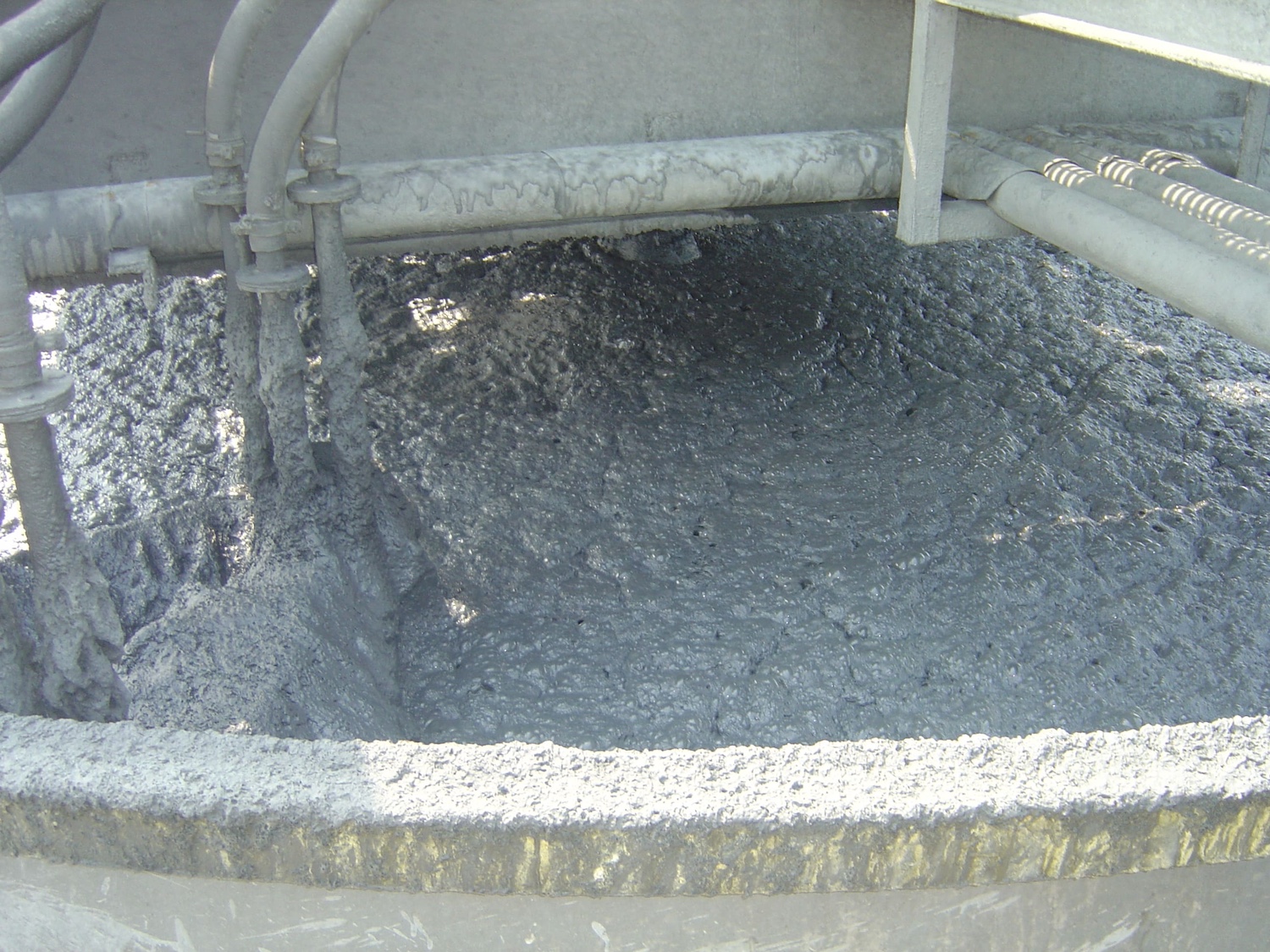
When gold is mined, arsenic and other minerals are often bound to the gold. These impurities reduce the value of the gold because it takes more processing to purify it. The purification process is chemical intensive and often involves cyanide, nature’s nasty kryptonite.
BacTech’s microbes don’t circumvent the use of cyanide in processing, but they sort of crack the gold ore open so that more gold can be retrieved with less chemical input. Because of this, the gold ore can be sold at a higher value.
BacTech’s CEO, Ross Orr, explained this situation using a case in Ecuador where the company is exploring development. “Chinese companies used to pay 65 to 70 cents on the dollar for gold here,” Orr said. “Then, the Chinese government imposed an import tax on high arsenic gold concentrates like they did in the copper market … This was passed on to the miners who are now getting 45 to 50 cents on the dollar. Using our biotechnology, we can get them back to what they were earning before.”
While BacTech’s solution does not drastically change the negative impacts of extracting gold ore from the earth, it does prevent arsenic from finding its way into tailings ponds and waterways — a common byproduct of downstream gold purification processes.
Other fascinating applications of microbial mining might
Amidst the depletion of high-grade ores and the heightened awareness around the negative impacts of mining, new companies are exploring the biomining world to find practical, economically viable and environmentally friendly solutions.
One of those companies, Transition Biomining, is looking at ways to improve copper bioleaching practices. It recognizes that every pile of rocks has its own little microbiome, or microbial society.
The company analyzes these distinct microbiomes and, given their composition, adds specific catalysts, or biostimulants, that are uniquely suited to invigorate the microbes.
“Our method works with these native microbial communities, enhancing their natural abilities rather than attempting to override or replace them,” said Sasha Milshteyn, founder and CEO of Transition Biomining. “By increasing resource utilization and reducing waste, we can make lower-grade ores economically viable to process with a lower environmental footprint.”
Another company, Maverick Biometals, uses artificial intelligence (AI) to create enzymes that break down the silicate crystal structures that make up many different rocks and minerals.
“Our AI model precisely fits the enzyme binding pocket to the specific shape of the crystal structure, like a hand fitting into a glove,” said Eric Herrera, CEO at Maverick Biometals. “This allows it to be hyper-specific in what it breaks down.”
Using this process, Maverick can extract about 99 percent of the lithium from minerals within 48 hours — all at a processing cost lower than conventional chemical methods. Maverick’s method creates a silica gel byproduct that is non-toxic and generally harmless. It plans to build a plant at a mine site in the coming years to produce lithium and another metal called strontium.
Can microbes power the clean energy transition?
Right now, no. In the future, probably, in part.
One big challenge these young companies face is the reluctance of the mining industry to embrace new technologies. Even when results show increases in efficiency and value, the industry can be hesitant to try something new.
“This hesitancy also makes it difficult to access the variety of ore samples needed for comprehensive research and development,” said Milshteyn of Transition Biomining.
All in all, it is a fascinating world at the microbial level and the applications of these microscopic crawlers are truly astounding. While they are not poised to take over the supply chain of all transition minerals, they are certainly willing to help. If you’re a microbe that eats nothing but copper ore, you ought to be thrilled with what the future has in store.
Cooler Rooms Might be the Solution to the Heat and Worker Health Crisis
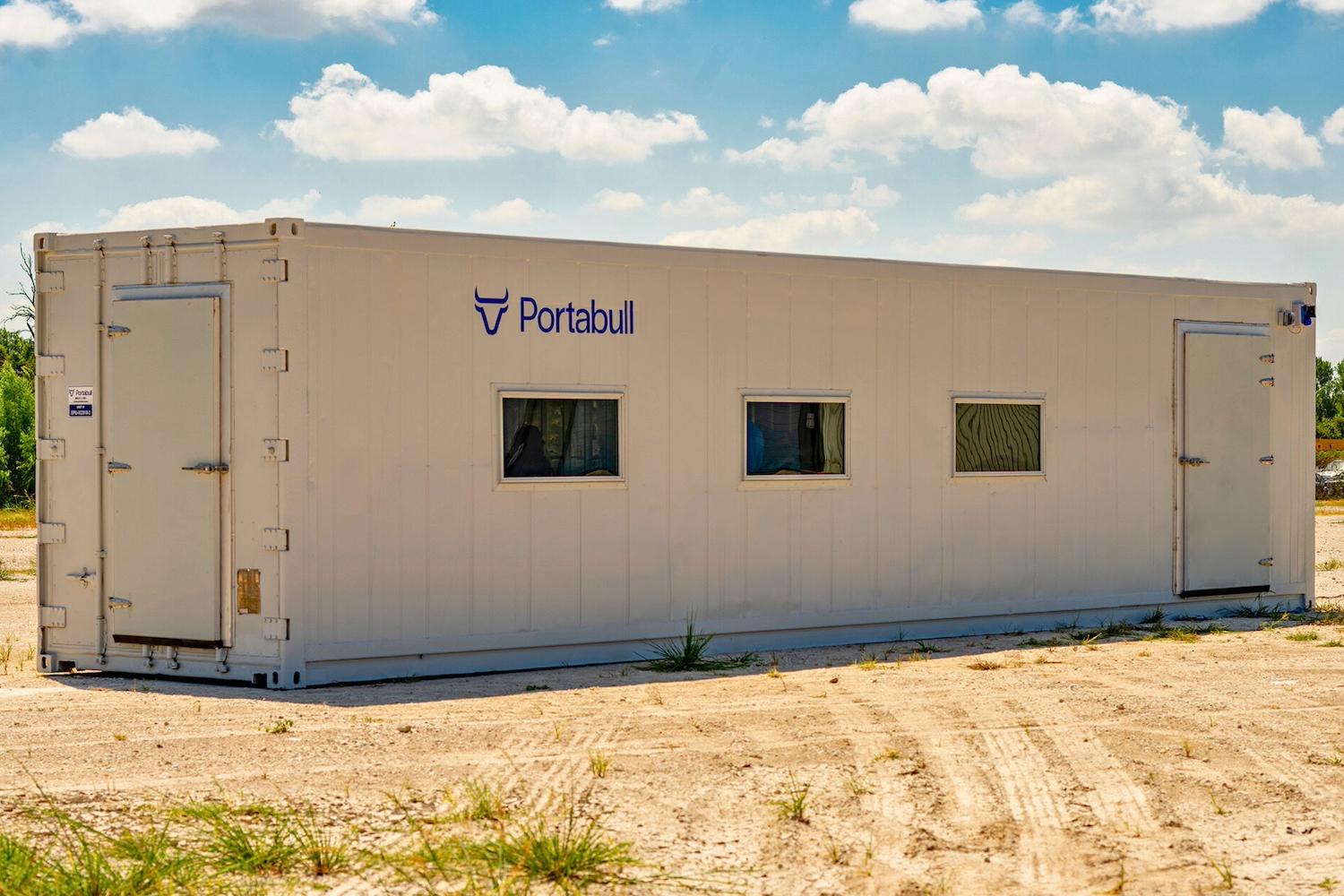
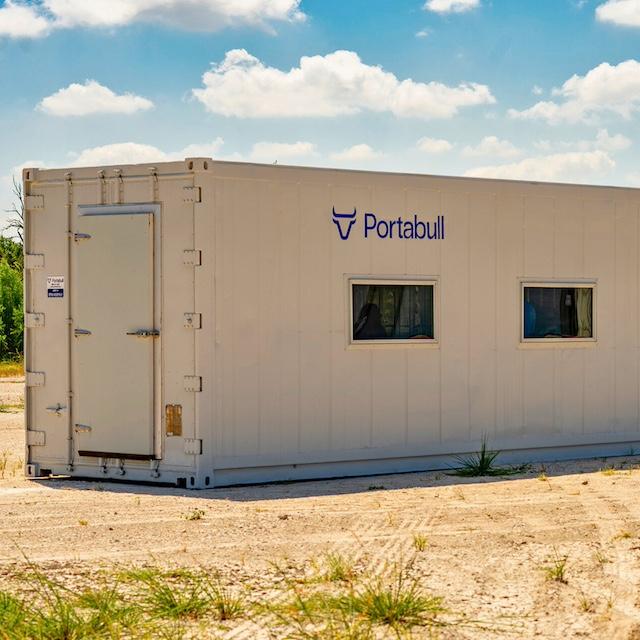
Portabull Storage's cooler rooms can be transported to all kinds of work environments to keep employees cool, even in high-heat environments. (Image courtesy of Portabull.)
As summer drags to a close for many, the heat brought on by the season may be a worry to put aside until next year. But in this changing climate, it will remain hot for many people regardless of the season. Some of the most vulnerable to the sweltering heat are those who work in the sun. Much of our essential products and services require outdoor work, so it is not easily abandoned, but extreme heat makes it riskier by the day.
Up to 2,000 annual workplace fatalities are estimated to stem from heat, alongside 170,000 heat-related injuries, according to the consumer advocacy nonprofit Public Citizen. Research shows cognition and task performance decrease when a worker is fatigued by heat, increasing the risk of workplace injuries. This is especially a concern for workers operating heavy machinery, but those incidents are not typically reported.
Portabull Storage aims to provide a solution with its new cooler rooms. The company is known for providing high-quality cold storage for temperature-vulnerable businesses like grocery stores and florists. Its new venture is building on that foundation to provide spaces where employees can cool down. These cooler rooms come with lighting, windows, emergency alarms and fold-down benches. They’re powered by an efficient electric system designed to conserve energy and cut costs for employers.
The 400-foot rooms slightly resemble shipping containers. They’re self-contained and designed to keep consistent temperatures between 50 and 80 degrees Fahrenheit, even in high-heat environments. The design allows employers to transport these portable havens to different places with all types of terrain, making them an option in the most remote, unlikely work environments.
“Today, employees in high-heat conditions only have access to makeshift or inadequate cooling solutions,” John Herman, Portabull’s president, said in a statement. “Athletic teams and construction workers struggle with open-air cooling tents, while heavy manufacturing employees might be forced to use subpar misters. Even oilfield workers, who are especially vulnerable to increasingly high temperatures, often only have access to ‘cool down’ trailers that are exposed to the elements.”
The labor force is a highly underrated but integral aspect of any business and without safe temperature regulation in this oppressive heat, it can dwindle. Successful businesses understand that employee safety, health and contentment are pivotal. “Every organization is only as healthy as the people within,” Herman said. “If employees regularly work in hot conditions, keeping them cool is a huge part of keeping them healthy.”
Air conditioning and heating are fast becoming a large part of climate adaptation. One company that has grasped this is a South Texas logistics port called Rockport Terminals, which uses the new rooms.
“Portabull’s cooler room solution is superior to other alternatives,” Ross Stevenson, Rockport Terminals CEO, said in a statement. “It has been critical to the success and safety of our workforce at the terminal.”
The rooms' design allows them to maintain a consistent temperature despite the heat of the environment. The same insulation technology used to create refrigerators and coolers is engineered into the design of these cooler rooms to preserve the internal temperature. It’s an effect you can’t get through putting a few fans or an air conditioning unit into a trailer. Preserving internal energy also contributes to the rooms’ energy-saving capacity. The unit ultimately exerts less power to keep the rooms cool, due to the limited effect of heat on the outside in raising or lowering the internal temperature.
Temperatures continue to rise as greenhouse gases warm the atmosphere, and the need for cooling options for occupational workers has become crucial. This new cooler room solution by Portabull is likely to be one of many in a situation that is growing more dire and hotter by the day.
No Kid Hungry Serves Up Summer Meals With Help from CEOs
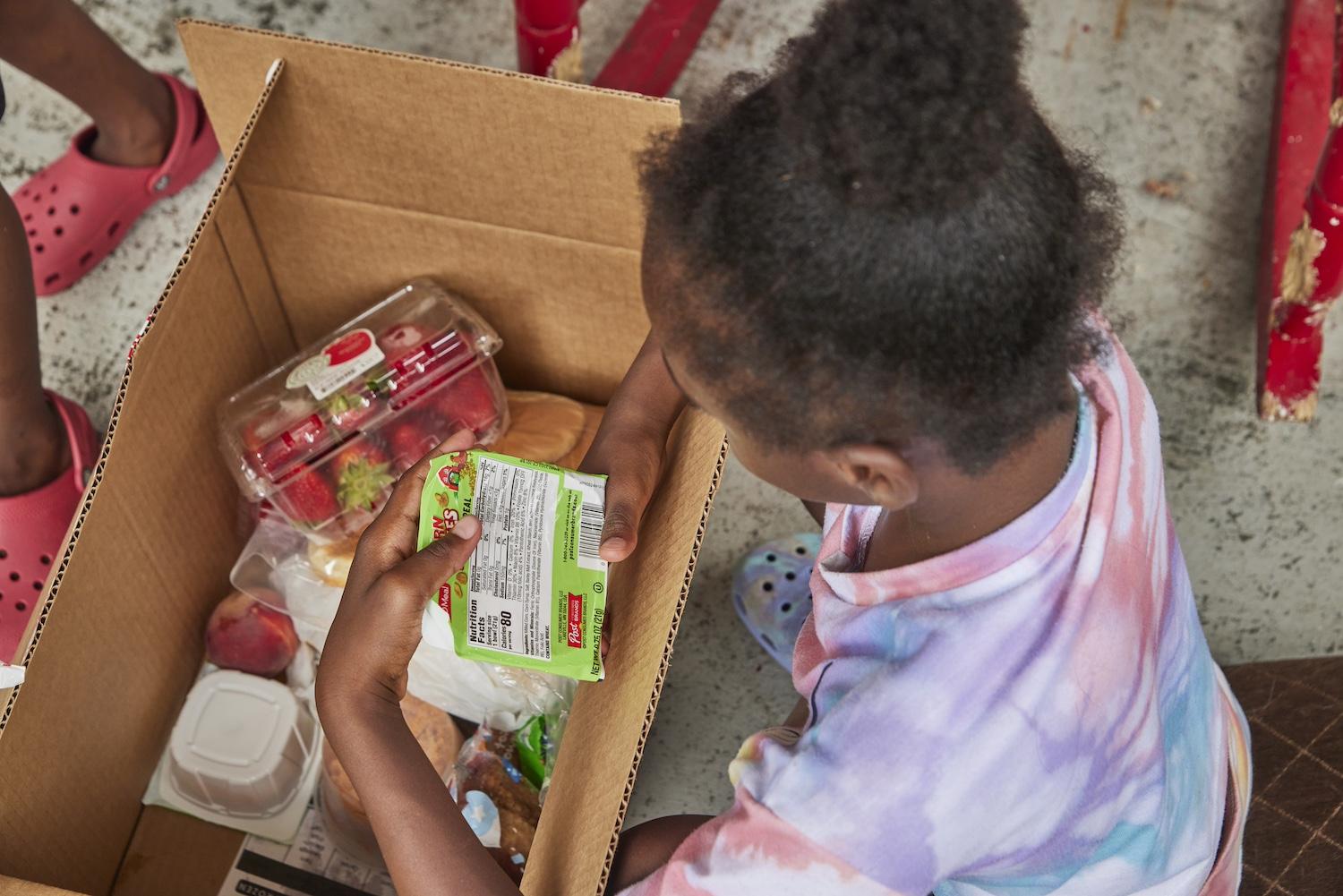
A student in Burke County, Georgia, opens a box of food they received from the recently-expanded summer meal program. (Image courtesy of No Kid Hungry.)
School meal programs are an essential part of fighting child hunger in the U.S., and the summer months are extra tough for the 20 percent of children who already don’t have access to enough food. Additionally, 41 percent of parents report having a hard time providing enough food during school breaks. While summer meal programs aim to help bridge that gap, only one in six eligible children benefit from it. That’s where the No Kid Hungry campaign comes in with its CEO Pledge to End Summer Hunger and the goal of raising participation in summer meal programs from 2.8 million children to 30 million.
“When you're eight, 12, 14, and your belly is empty, that's just incredibly difficult,” Charles Watson, the CEO of Tropical Smoothie Cafe, told TriplePundit about his participation in the pledge. “So those were the things that really hit me hard, in terms of, we've got to get involved here.”
As the head of a food service company, the program is also important for business, Watson said. “These are my future employees, and they're my future guests, right? They're both incredibly important people to me … Who doesn't believe that kids are the future of the country?”
Changes to the summer meal program
Developed in 2010, No Kid Hungry is a United States-based campaign run by the nonprofit Share Our Strength, which was created in 1984 as a response to the famine in Ethiopia. No Kid Hungry is currently focused on raising $50 million over the next three years to help implement bipartisan legislation passed in 2022 to expand the summer meal program, Anne Filipic, CEO of Share Our Strength, told 3p.
“It's the biggest investment and really [the biggest] change to nutrition programs in the country in 50 years,” Filipic said. The money raised will go to schools, local organizations and state agencies to ensure they have the funds to put the expanded program into action.
Lack of funding and accessibility are the primary reasons most children who qualify for summer meals don’t get them. Children are automatically eligible if they receive free or reduced-price school lunches or certain public benefits such as the Supplemental Nutrition Assistance Program (SNAP). Families who do not participate in these programs but meet the income requirements can apply separately.

Prior to the new legislation, the only way to access the summer meal program was for children to show up in person at designated meal sites and eat the lunches there. This situation created a burden for parents and caregivers, and it excluded children who didn’t have the means to travel to a meal site daily.
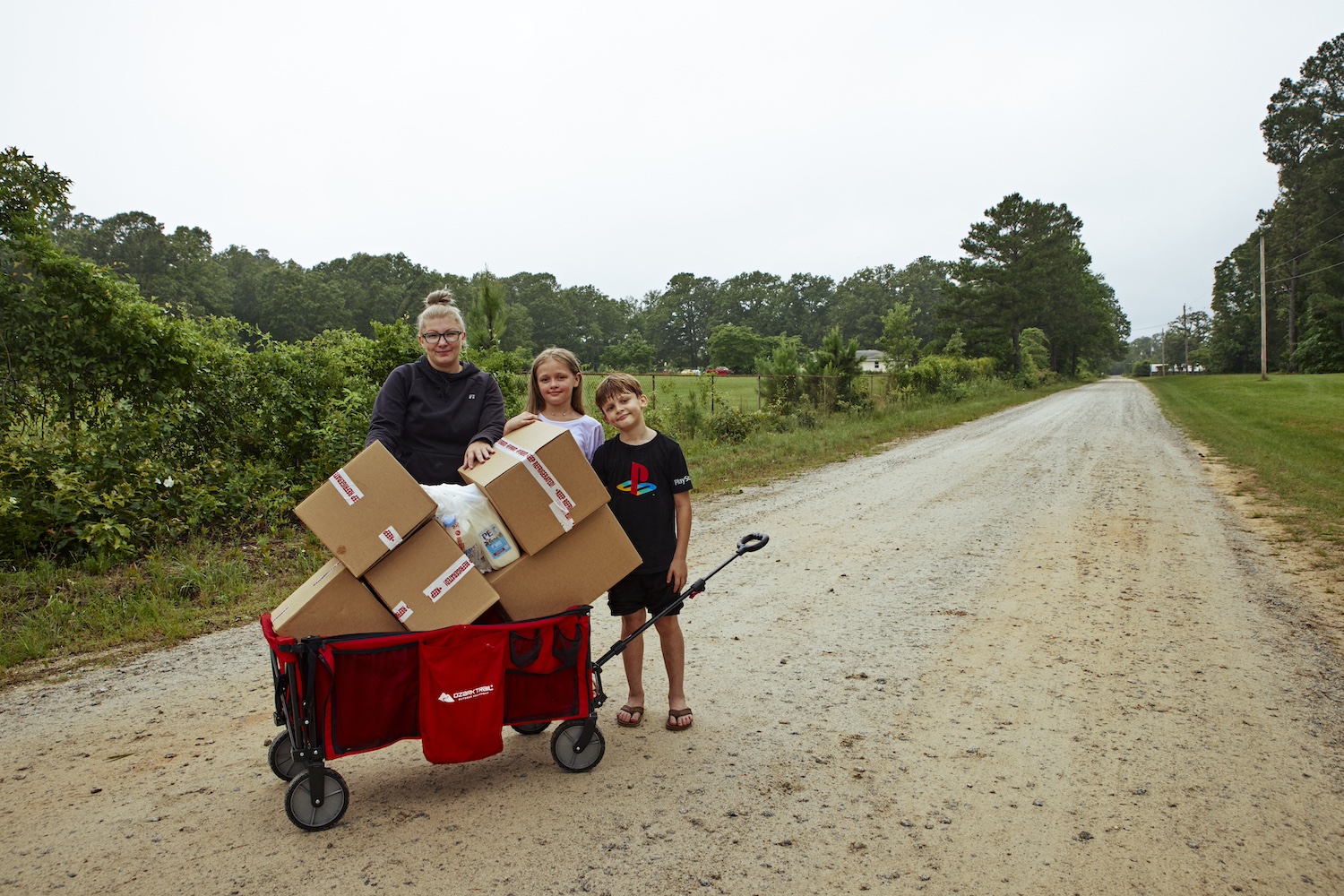
“I think everyone understands that that can be challenging for anyone but particularly if you're living in a rural area, if the meal site was 20 miles away, your parents are working, there's really no way that that kid can go,” Filipic said. “To now be in a place that those meals can be delivered, that they can actually be picked up, and you can pick up multiple meals at a time just completely transforms what it means in terms of the accessibility of this program.”
Filipic highlighted the example of Caroline County, Maryland, where she was able to ride along on deliveries to area with high levels of eligibility. “We were actually able to go door to door and hand out meals,” she said. “It’s very clear how that is just a total game changer and what that means for those kids, as opposed to having to travel miles and miles to get those meals.”
In addition to deliveries and multi-lunch pickups, the expanded summer meal program provides $40 per child for each month of summer — a total of $120 in grocery benefits. The funds, called Sunbucks, are available on electronic benefit transfer cards and can be used to buy cold foods and snacks the same way SNAP benefits are used.
Pledges and fundraising
As of July, No Kid Hungry has given almost $4 million to 215 partners nationwide, Filipic said. The funds are used to pay delivery drivers and buy equipment like delivery trucks and coolers, which will help provide more than 6 million meals to kids living in rural areas. So where are those funds coming from?
“Most CEOs, myself included, are going to make a personal donation,” Watson said. Tropical Smoothie Cafe also mobilizes its customers to give by rounding up or donating at the register, but the bigger dollars come from tapping into brand funds.
“[Consumers] want to see brands that are giving back," Watson said. "We have a smoothie on our menu called the Sunshine Smoothie, so we thought it was very appropriate for a Sunshine Smoothie to donate $1 of every one of those that we sell to No Kid Hungry … We have a three-pronged approach, but for every brand, they have different ways of going about it.”
Tropical Smoothie Cafe has raised more than $2.6 million since last summer, an achievement that the organization is very proud of, Filipic said. As a result, more brands and CEOs want to follow Watson’s lead.
“I think that point is really important because when I think of Jack in the Box, yes it's a brand, but to me, it's Darin Harris,” Watson said. “That's a guy I know who also does what I do in the restaurant business … Like any industry, we talk. We push each other on things … You get the groundswell of a CEO pledge. You get that good pressure [to participate].”
Limitations of the summer EBT program
Twenty-one million children in 37 states, five territories and three tribal nations are eligible for the Sunbucks EBT program this year, Filipic said. That number increases to 29 million when all 50 states participate.
But 13 states chose not to opt into the program, including Alabama, Mississippi, South Carolina, Georgia, Florida, Texas, Oklahoma, Iowa, Wyoming, South Dakota, Utah, Idaho and Alaska. All are led by Republican governors who claimed their state could not afford to distribute the federal funds or voiced opposition to so-called welfare benefits.
“What we focus on as a nonpartisan organization is that this is about kids,” Filipic said. “When a new policy is rolled out, often what people are focused on is the politics of it. But I think our experience is that as families start to benefit, as children start to benefit, as [they] realize that this can make the difference for a child in being fed in the summer and then starting the school year healthy and strong and ready to learn, as we continue to implement this program and lift up these success stories and highlight what it has meant for kids, the more … states will get on board.”

Collective action makes the difference
Childhood hunger in the U.S., and hunger in general, is the result of multiple factors, from poverty and a lack of sufficient safety nets to rising food prices to food deserts in vulnerable communities. Solving the problem therefore requires a multipronged approach. Collective action and summer meals can go a long way to help.
“This is what it will take to end childhood hunger in this country,” Filipic said. “A wide range from nonprofit organizations to policymakers to industry CEOs saying, ‘What can we do collectively … to make sure that no child goes hungry in this country?’”
These Companies Respect Their Employees' Right to Organize


Fast food workers in Minnesota strike for better pay and benefits. (Image: Fibonacci Blue/Wikimedia Commons)
While the U.S. Labor Day holiday honors the contribution of all workers, its roots trace back to the organized labor movement of the late 1800s. Turn-of-the-century organizers fought to restrict child labor, ensure vital safety and healthcare provisions for workers, and establish a five-day workweek, among other objectives.
At the time, most people worked for more than 10 hours a day, six days a week, and companies were under no obligation to pay fairly or provide benefits. The movement to change that was fiercely opposed by employers. Workers who organized strikes and formed unions were met with deadly crackdowns in a period often called the Labor Wars. While fewer of their successors in the mid 20th century faced violence, many were fired or lost their benefits for trying to join a union.
Fast forward to today: The U.S. minimum wage hasn't increased in 15 years, and labor organizing is reaching new peaks across the nation, with more than 450,000 workers going on strike last year. Most employers fought the push toward unionization among their employees, and experts blasted several top companies for what they called "old-school union busting" tactics like retaliating against or firing workers who attempted to organize.
Many companies oppose unionization by default, even through more subdued means such as distributing anti-union material to employees or holding mandatory meetings where leaders discourage their teams from joining a union. U.S. employers break federal law in around 40 percent of all union elections, according to the Economic Policy Institute. But not all employers take this approach, and research suggests that unions can actually be good for business by reducing turnover and improving worker safety.
The U.S. Department of Labor encourages companies to respect their employees' right to organize by committing to stay neutral in union campaigns or voluntarily recognize a budding union among their workers. The following companies did just that.
Microsoft opts to accept unions among subsidiary companies
When Microsoft purchased the video game company Activision Blizzard in 2022, employees at one of its subsidiaries called Raven were in the midst of a heated union battle. After the nearly $70 billion deal, Microsoft said it would stay neutral if any of Activision's eligible employees wanted to unionize, and many have already moved to do so. Autumn Mitchell, a quality assurance worker who was part of the organizing campaign, called Microsoft's neutrality stance "an absolute gift" in an interview with workplace reporter Noam Scheiber of The New York Times. His analysis of why Microsoft, once notorious for ruthlessness in overcoming competitors, moved to accept unions is a fascinating read that's well worth a look.
Patagonia stays neutral as Nevada employees vote to unionize
When workers at a Patagonia outlet store in Reno, Nevada, organized a campaign to unionize earlier this year, the company committed to stay neutral and stuck with it, leaders at the United Food and Commercial Workers union told the Huffington Post. Employees ultimately voted to unionize, a first for the company. “So far, it’s encouraging to see Patagonia stay neutral," Nick Helmreich, a worker at the Reno store, told HuffPost in March. “We’re only starting out, but it’s an optimistic sign that they’re letting us, the workers, decide our future.”
Major League Baseball voluntarily recognizes union among minor-leaguers
In 2022, a group of minor league players started a campaign to unionize with the MLB Players Association, and rather than fight it, the Major League organization opted to voluntarily recognize their efforts and push union negotiations through. The 5,000 minor leaguers in the union said they often spent up to 80 percent of their paychecks on the team hotel alone and that a seat at the bargaining table will help them to push for better pay and benefits.
U.S. Publishers Push Back Against Book Bans


The Diary of Anne Frank is among the titles pulled from school libraries in Florida following legislation passed in 2023. (Image: Kelly Sikkema/Unsplash)
Last week, a group of leading U.S. publishers launched a lawsuit challenging book bans in Florida and appealing for a restoration of professional standards and evidence-based decision-making in state law. If the publishers succeed, they will set the stage for other businesses and organizations to fight back against new restrictions to constitutional rights that impact public life and corporate policies.
A book ban by any other name
State and local book bans have proliferated across the U.S. with the purported aim of protecting minors from sexually inappropriate materials. Florida Gov. Ron DeSantis emerged as a leading advocate for book bans, though he prefers to reference parental empowerment instead.
“Florida does not ban books,” a statement from the governor’s office reads. “Instead, the state has empowered parents to object to obscene material in the classroom.”
That observation is more than a little misleading. Freedom of speech is guaranteed by the U.S. Constitution, and parents have always been empowered to object to anything. The issue is what happens afterward.
The Florida law, HB 1069, stipulates that any objection over “sexual content” triggers the removal of the given reading material from classrooms and libraries within five days, followed by an unspecified period for resolution of the complaint. It does not require an objector to possess any qualifications for describing the complex issue of sexual content.
As a result, books can be taken out of circulation indefinitely based solely on the personal opinion of a single individual.
Book bans and social vigilantism
The seamless transfer of personal opinion to state-ascribed action steps is the essence of social vigilantism, a term used by scholars to describe the “tendency to believe one's beliefs are superior to others' and to attempt to impress one's beliefs onto others.”
Social vigilantism is often disconnected from facts and information. In a recent Kansas State University study published in the journal Personality and Individual Differences, for example, researchers link social vigilantism to “greater tendencies to disseminate and defend one's beliefs, regardless of how well-informed those beliefs are.” The same study noted that social vigilantism is “positively correlated with social dominance orientation, right wing authoritarianism and conservatism.”
In not so many words, that is precisely the focus of the new lawsuit against Florida's HB 1069, jointly announced on August 29 by Penguin Random House, Hachette Book Group, HarperCollins Publishers, Macmillan Publishers, Simon & Schuster, and Sourcebooks. “Hundreds of titles have been banned across the state since the bill went into effect in July 2023,” the publishers state.
They assert the Florida law violates a 1973 Supreme Court obscenity test. The decision, Miller v. California, requires the opinion of "the average person” to be assessed in reference to wider community standards and state law around obscene speech, along with an assessment of the entire work — not just a line or two — to determine if it lacks “serious literary, artistic, political or scientific value.”
“Serious” is the key word. Seriousness denotes a comparative determination informed by a range of works in public circulation. It sets a far more rigorous standard for removing material from a school library than HB 1069.
“The lawsuit focuses on restoring the discretion of trained educators to evaluate books holistically to avoid harm to students who will otherwise lose access to a wide range of viewpoints,” the publishers assert.
From personal opinion to evidence and expert insight
The effort to discredit professional insights into key issues of public concern is nothing new. For example, the pro-tobacco campaign of the 1990s, widely attributed to the influential lobbying organization Heartland Institute, seeded the public conversation with doubt over the scientific consensus on the health impacts of smoking. By the early 2000s, lobbyists employed a similar effort to undermine the consensus on climate science.
When the U.S. Supreme Court overturned Roe v. Wade abortion protections in 2022, the Republican-appointed majority ignored evidence submitted by medical professionals and other experts in favor of an unschooled assertion that impacts of harm were impossible to measure.
LGBTQ+ rights have also fallen afoul of anti-professional sentiment, as new state laws deny health services to certain people while ignoring the ample evidence supporting gender-affirming care. The torrent of fact-free allegations of voter fraud that emerged in the run-up to Election Day 2020 cultivated a mini-industry of inexpert “investigators," fanned the flame of the violent insurrection of 2021, and continues to threaten elections today.
By insisting on evaluation by trained professionals, the publishers attacked the very foundation of public policy measures that rely on social vigilantism instead of verifiable information. It remains to be seen if they succeed in court, but the movement to seek constitutional protection for discretion, including professional discretion, shows signs of growing.
Business coalition takes aim at another controversial state law
In the corporate environmental, social and governance (ESG) movement, for example, last week the American Sustainable Business Council took the unusual step of confronting Texas Comptroller Glenn Hegar and Attorney General Ken Paxton in court. On August 29, the business coalition filed a lawsuit suit against the two officials regarding their enforcement of SB 13, a state law intended to obstruct firms from following ESG investing principles.
“Among ASBC’s many projects are efforts to encourage sustainable investing and sustainable business practices. These are all cornerstones of the modern Texas economy. Yet SB 13 takes aim at, and punishes, companies that speak about, aspire to, and achieve this goal,” the group alleges.
To the extent that modern corporate sustainability practices are based on data, evidence, auditing and accounting — and they are — the ASBC lawsuit also cuts to the heart of anti-professional sentiment.
The suit is also notable because many firms have chosen to address anti-ESG threats simply by continuing to follow the same principles without referring specifically to “ESG.” Some business leaders grappling with a new wave of legislation and lawsuits against corporate diversity, equity and inclusion policies adopted a similar wait-and-see attitude.
However, corporate leaders may need to take aggressive action on intrusive legislation before the damage is done, and leading publishers and the members of the ASBC show a path that others can follow.
These Plants Are Made of Metal, And They Might Be the Fix the Clean Energy Transition Needs
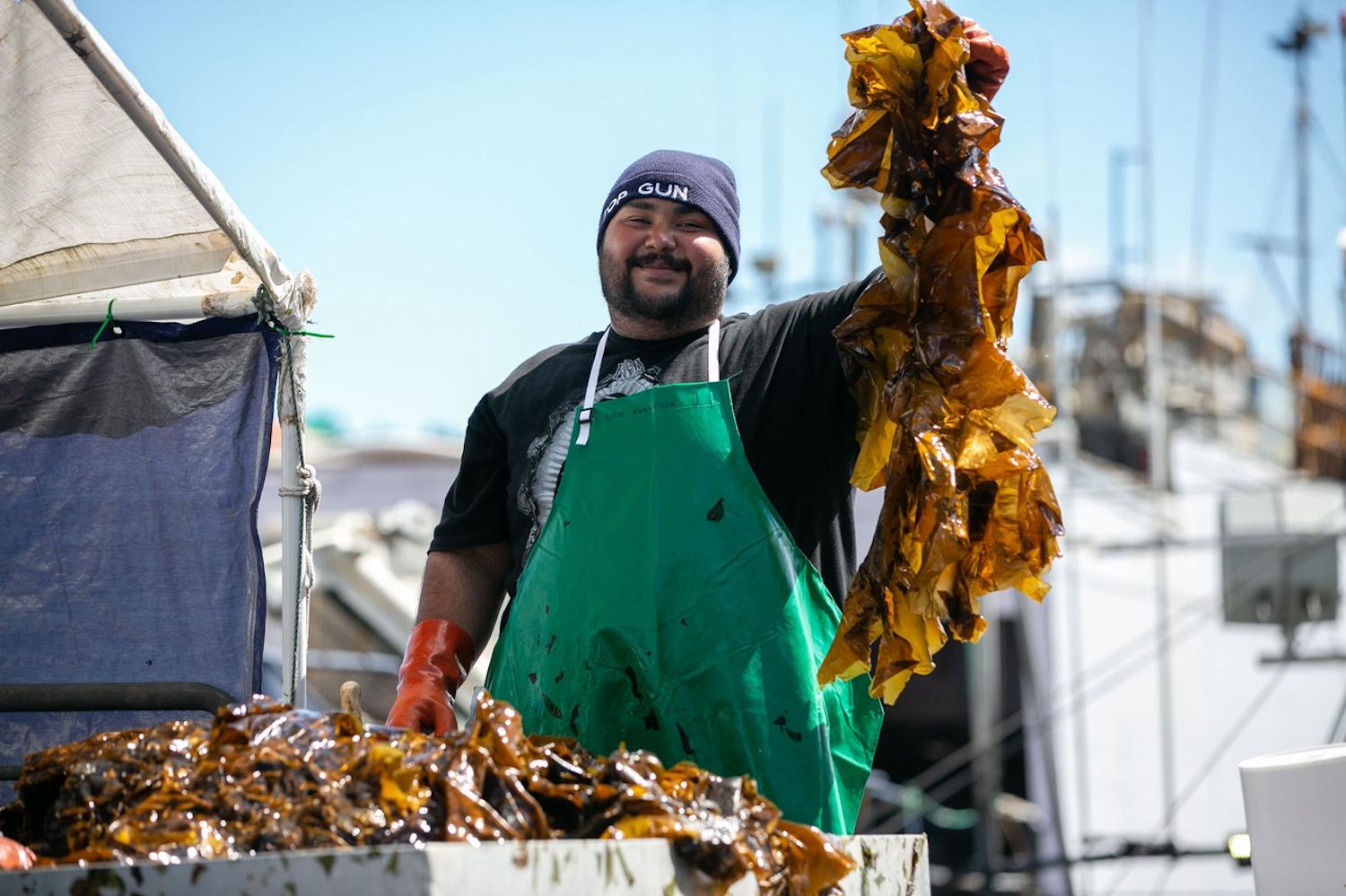
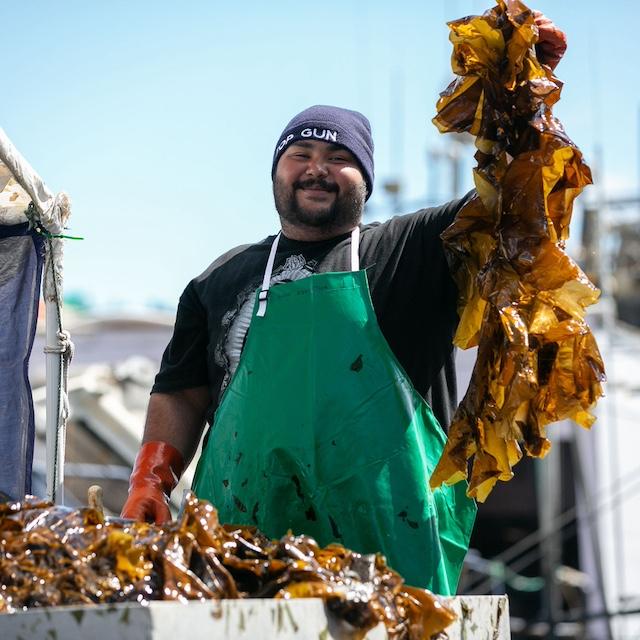
Blue Evolution grows seaweed for wide range of commercial applications, and it could be an effective way to mine minerals. (Image: Rachelle Hacmac for Blue Evolution)
This article is part of our series on responsible mining solutions. The push for clean energy is fueled by growing demand for minerals. Conventional mining has a track record of harmful social and environmental impacts. Phytomining is another potential solution to that problem.
Do you remember “The Giving Tree,” by Shel Silverstein? It’s a children’s book about an apple tree that gives a young boy everything it can, and the boy spends countless hours playing with the tree. As the boy grows older, he has less time for the tree. The tree still provides all it can, but it’s sad that the boy doesn’t visit as much as he used to. The story might make your eyes water, but did you know that the giving tree is alive and well today?
Recently scientists asked the tree for clean, renewable energy. The tree said to them, “I cannot do that. I am a tree.”
The scientists nodded and exchanged intelligent glances. After a few awkward moments, the tree spoke again.
“I cannot provide you with clean, renewable energy, but if you take the critical minerals like nickel and lithium that I accumulate, you can use those to build your renewable energy infrastructure.”
There was a murmur of excitement among the scientists and a chorus of laughter when the most senior among them said, “Talk about green energy!”
Lame joke and talking tree aside, scientists actually discovered that some plants hoard a significant amount of metal. So much so that these plants can contribute to the global supply of critical minerals that power the clean energy transition.
Should I extract metals from the plants in my yard?
Plants consume minerals found in soil like potassium, copper and zinc. Before you run to your garden to taste your plants for metal, know that the average plant does not retain enough to make mining your garden worth the flower destruction.
But there is a special group of plants, called hyperaccumulators, that accumulate high levels of metals. These plants have the attention of scientists, startups and governments. Of the 350,000 known plant species, only about 750 have this hyperaccumulating property.
Hyperaccumulators don’t just grow anywhere, either. They stick to mineral-rich regions. The places they thrive in are often so concentrated with metals that the environment is toxic to other plants.
This lends a clue as to why these plants accumulate metals. For a plant to survive in a region where there are very few, if any, other plants, they need to protect themselves against bugs and animals that are looking for a meal. Hyperaccumulators suck up metal from the soil and transfer it to their above-ground tissues, like their leaves. Animals learn they get severely ill after eating these plants and eventually don’t want to touch them, not to mention the foul metallic taste. Hyperaccumulating metals is largely a defense mechanism.
What metals can we mine from hyperaccumulators?
More than two-thirds of the 750 hyperaccumulators that we know of are nickel-lovers. Combine that with the projection that nickel demand is expected to nearly triple by 2040, and this is why the United States Department of Energy, through its Advanced Research Projects Agency-Energy (ARPA-E) office, recently launched a $9.9 million program to explore mining with plants, also known as phytomining. The project focuses on nickel and includes five universities and a few private companies.
“We want to prove that phytomining is economically viable and can have a lower carbon footprint compared with conventional mining,” said Philseok Kim, program director at ARPA-E. “And we have good reason to believe that we can do that.”
Kim estimates that without further advancements in research and development, we could already generate about 18,000 tons of nickel per year from phytomining over 400,000 acres of land, which is about the size of Houston, Texas. That amounts to nearly 10 percent of annual U.S. nickel consumption.
“In the U.S. we have about 10 million acres of serpentine barren land, and if we grew crops on those lands, we probably wouldn’t be comfortable eating them because of the metal content,” Kim said. “So, we have enough land that we aren’t really using for anything.”
Plants that accumulate lithium, zinc, cobalt, copper, and rare earth elements, among other critical minerals, have been identified around the world. While using plants to extract and process minerals is a new field, hyperaccumulators already have some experience in commercial applications.
“Some plants have been commercially used for remediation of environmental impacts of heavy metals,” said Wencai Zhang, associate professor and head of the Sustainable Mineral Technology Laboratory at Virginia Tech. “They call it phytoremediation.”
Did somebody say seaweed?
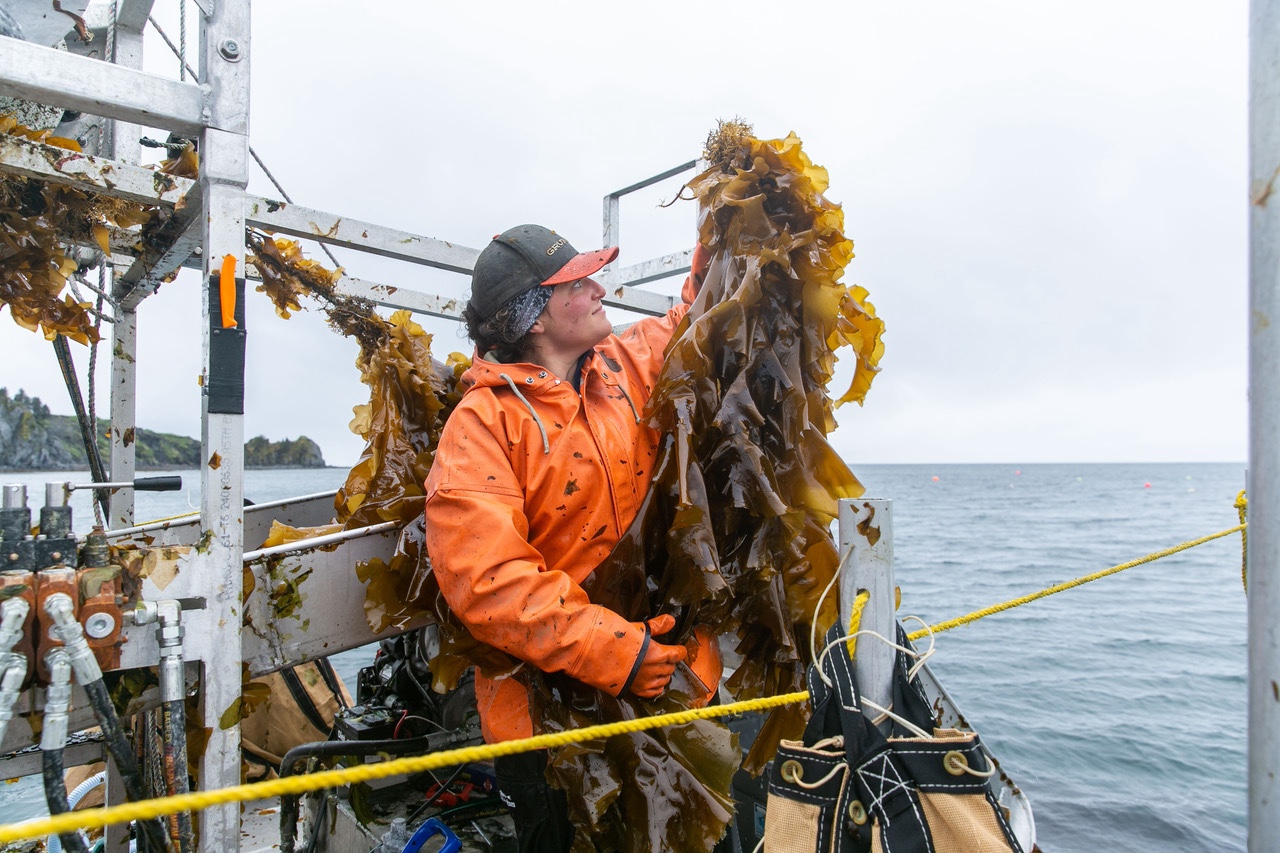
Let’s leave the comforts of dry land for a moment and head to the beach. One drop of seawater contains traces of most elements known to man. But seawater around some regions, like those close to mines and unique geological features, can have a significantly higher composition of minerals that certain strains of seaweed take a particular liking to.
Blue Evolution is already using seaweed for a surprisingly wide range of commercial applications including construction materials, biopharmaceuticals and cosmetics. The company is now exploring its potential for mineral extraction.
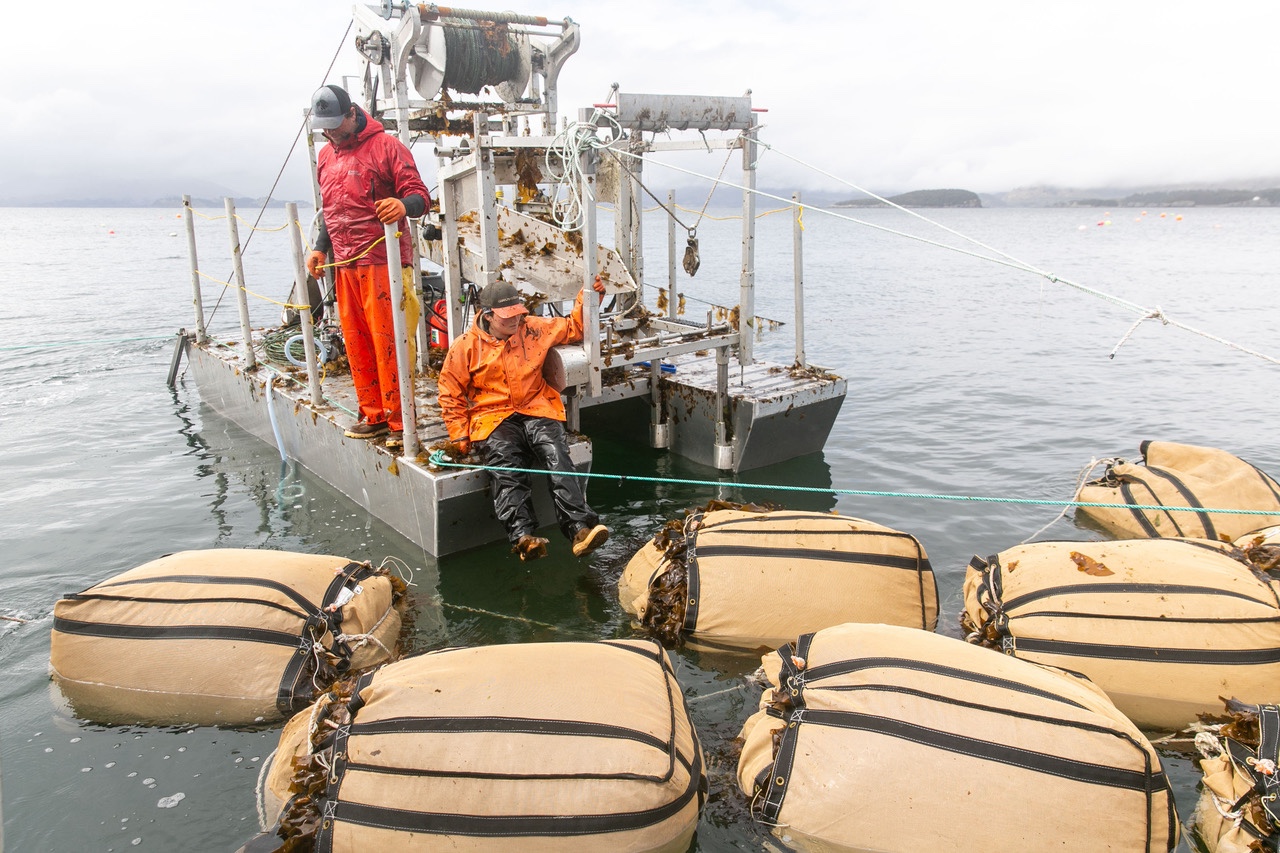
That’s right. The stuff that wraps your sushi rolls can be used to construct buildings, save lives, and now, power renewable energy. But is it actually cost-effective to mine minerals this way?
“If I were only growing seaweed for minerals, yeah, I’d need a lot of extremely cheap biomass,” said Beau Perry, CEO of Blue Evolution. “But we can start with a relatively nominal amount of mineral output and work our way up while balancing that against our other commercial outputs.”
The quantities of minerals collected by seaweed are small, but given the U.S.’s supply concerns with rare earth elements, Blue Evolution may be able to provide a significant source of domestic supply of useful elements like scandium.
“Scandium trades at ten to fifteen tons globally per year, so, you don't have to get a lot of scandium to really change the global supply,” Perry said. “And the other precious metals and rare earth elements are generally the same to varying degrees.”
Blue Evolution is still testing its mineral output capabilities.
Is phytomining the silver bullet?
“I wouldn’t say [it will] compete with conventional mining, but phytomining is going to be a really good, responsible way of supplementing conventional mining,” Kim said.
Plants can only access minerals as far down as their roots go, a maximum of six feet. Their mineral output is limited by what they can access. A mine, on the other hand, can easily reach more than 1,000 feet into the earth.
Recovering the metals from plants also poses some challenges. We can do it, as Kim mentioned, but those methods generally include burning the plant’s organic matter to access and process the mineral-rich ash. This releases carbon dioxide stored in the plant back into the atmosphere, so finding a friendlier recovery method is something that downstream researchers like Virginia Tech’s Zhang are working on.
“If you look outside the U.S. to Indonesia, Malaysia or New Caledonia, there are endemic trees that secrete a green sap which contains like 25 percent nickel,” Kim said. “It would be amazing if we could grow them here, but they are all tropical.”
Other challenges include the general risks of monocropping on a large scale, potentially introducing non-native plants to a region, the volatility of nickel prices, and the challenge of expanding plants’ hyperaccumulator capabilities beyond nickel to other critical minerals.
These challenges are not hard-and-fast inhibitors to phytomining’s commercial success, but rather small obstacles that if resolved, can drastically change the mineral supply landscape of the U.S. and the world.
Scientists asked, and the giving tree responded. All it wants in return is that we spend more time with it like we did in our youth — a reasonable request given all the resources that nature provides us.
Subaru and AdoptAClassroom.org to Support Over 750,000 Students Across the U.S.


Teachers in the United States are spending more of their own money than ever before to meet an overwhelming need for even basic school supplies like paper and pencils. They spent an average of $860 on classroom supplies in the 2022-2023 school year, a 44 percent increase since 2015, according to AdoptAClassroom.org surveys. That’s largely because funding for classroom supply budgets have not kept up to meet students’ needs.
Over the past four years, Subaru of America has partnered with AdoptAClassroom.org to help reduce this financial burden. Donors and corporate sponsors can “adopt” a specific classroom by donating on the fundraising platform. Teachers use the money for supplies, designing and developing the classroom environment, and incorporating modern educational technologies and materials for new teaching methods.
The Subaru journey into educational support began with a shared vision. “It started with a simple introduction to AdoptAClassroom.org, which turned into a powerful collaboration under our Subaru Loves Learning initiative,” said Lauren Papasidero, Love Promise Community Commitment Specialist at Subaru of America. “Our goal was clear from the beginning — we wanted to ensure that every student had the necessary tools for success, irrespective of their economic background. As of this year, we will have helped over 750,000 students nationwide.”
Subaru of America is headquartered in Camden, New Jersey, and over the past four years the company has adopted every grade school and every high school in the city’s public school district.. “Through our partnership, we have helped set up their classrooms, we provided a graphic arts lab to one high school, and we assist them with any task they need,” Papasidero said. “We also ask Subaru of America colleagues to spend a day volunteering and supporting teachers at schools throughout the entire Camden City School District.”
Before partnering with AdoptAClassroom.org, Subaru was working hard to align the national scope of its educational support program with local impact needs. It’s crucial that the company’s more than 630 automotive retailers can support high-needs schools within their local communities. The solution was coordinating with AdoptAClassroom.org to match each retailer with a nearby school in need, while navigating complexities such as pre-existing relationships with non-eligible schools. Subaru then encouraged retailers to consistently partner with the same schools to foster long-term relationships and maximize impact.
“This year, we have 78 percent of our retailers partnering with the same school for the fourth consecutive year,” Papasidero said. “While it was a hurdle in the beginning — how can we execute locally when we're national? — I'm proud to say we have overcome that challenge and now have relationships in every local community. AdoptAClassroom.org helped us foster these relationships and grow them, and our retailers have really taken it and run with it.”
Reflecting on the broader impact highlights the effectiveness of the partnership, but also illustrates the deep-seated needs that persist in educational institutions across the country. “Ninety-two percent of teachers reported that our contributions significantly increased access to essential educational materials,” Papasidero said.
The flexible funding that Subaru provides offers teachers the opportunity to get what they need most for their classrooms. And on top of that, Subaru retailers are always encouraged to go above and beyond in their efforts to make a difference.
“One of our retailers learned that many students go home without access to electricity, so they were unable to charge their devices,” Papasidero said. “The students would come in the morning with little to no battery on their devices, so they weren't able to participate in their educational activities. When we contacted AdoptAClassroom.org, we learned that the school was interested in purchasing charging carts, but had budget restrictions. So, team Subaru stepped up and, through AdoptAClassroom.org, donated over 35 charging carts to this school, providing every student in the classroom access to electricity.”
Creating an internship program for local special education graduates is another example of a Subaru retailer thinking outside the box. “They learn real-world business skills and how to work in a professional setting, but in a nurturing environment,” Papasidero said. “And what’s more, last year's intern was hired on full-time after their internship.”
The synergy between Subaru and AdoptAClassroom.org is a testament to the power of collaborative philanthropy. As companies like Subaru step up to address societal challenges, their actions set a precedent for how corporate entities can make a difference.
Laws Whiskey House is Promoting Water Conservation in Colorado


The first whiskey in Laws Whiskey House's new Headwater Series shines a conservation spotlight on the Colorado River, but the distillery plans to highlight a different river each year. (Image courtesy of Laws Whiskey House.)
Whiskey isn’t called the water of life for nothing. These two elements are inextricably connected. Whiskey is about 60 percent water, with the water quality influencing the flavor, aroma and mouthfeel of whiskey. Then there’s the practical side of things. Water is used throughout the distillation process for cleaning grains, extracting sugar for fermentation and achieving the desired alcoholic strength.
Unfortunately, this key ingredient is dwindling in some top areas for whiskey. The Western United States is grappling with water shortages tied to the Colorado River. And two of the largest American reservoirs, Lake Mead and Lake Powell, are reaching dangerously low levels.
Denver-based Laws Whiskey House is wading into this watery dilemma. With the recent launch of its Headwater Series, they’re raising awareness of Colorado’s many rivers and promoting conservation efforts. Fittingly, the first whiskey in the series, a four grain bourbon, is dedicated to the Colorado River. In a region plagued by drought, this distillery is striving to make a difference.
Water woes on the Colorado
The Colorado River is a veritable powerhouse of the West, providing irrigation water across 5.5 million acres of ranch and farmland and drinking water to 40 million people in cities like Los Angeles, Denver and Phoenix. This water supports an estimated $1.43 trillion in economic output and 16 million jobs in the U.S. each year.
This 1,400-mile-long river is also crucial for the environment. Along with its tributaries, it supports an array of biodiversity, including bears, elk, moose, big horn sheep and several threatened fish species. Millions of migratory birds use the basin as a stopover site in fall and spring, too.
But this valuable river system is in trouble. Climate change has reduced its flow by more than the storage capacity of Lake Mead since 2000. The nonprofit American Rivers listed the Colorado as America’s most endangered river system last year.
“Water is obviously one of the building blocks of life,” said Peyton Mason, chief financial officer at Laws Whiskey House. “In Colorado and the West in general, it's come under intense scrutiny — how we use water, and how we interact with it on a daily basis.”
While increased precipitation in the coming decades could offset some of the river’s losses from climate change, there wasn’t really enough to go around in the first place. That’s because the river’s water is overconsumed, barely reaching its historic ending point, the Sea of Cortez.
The future of the river basin is at a crossroads. Seven U.S. states, two Mexican states, and 30 Native American tribes are currently negotiating how to divvy up the Colorado River's water, including water use cuts.
Feeding the Colorado River
Laws Whiskey House’s Headwaters Series is addressing the issue with notes of orange peel and spice.
“This was a way for us to kind of shine a light on that,” Mason said. “There's a lot of problems and we, as a small craft distillery, are not going to be able to solve all those. We're not ignorant to that. But one thing we can do is help connect people and bring awareness to certain causes, and that was the goal with the Headwater Series.”
Besides raising awareness, the series also supports water conservation. Ten percent of the sales from the Headwaters Series bourbon is given to Shoshone Water Right Preservation. This group of stakeholders aims to permanently protect a water right — the legal right to use, manage or sell water — on the Colorado River. The water right is tied to a hydroelectric power plant that uses the river water to generate power.
“It's very unique water for several reasons,” Mason said. “One, it's non-consumptive. So they're taking the water out, but then they're putting it back in. Obviously, that's a really good thing because you're not taking it out permanently. Number two, it's one of the largest rights on the river.”
The coalition aims to buy the water right and extend a permanent lease to the power plant. If they succeed, 1.02 million acre-feet of water would benefit the river and its many users each year.
Laws Whiskey House also partners with and sponsors Running Rivers, a Colorado-based nonprofit focused on conserving and restoring lakes, streams and creeks important for native fish.

Laws Whiskey House’s efficient approach
In addition to helping the wider world of water, Laws Whiskey House promotes sustainability in its own operations.
“We did a big expansion in 2021 where we were able to reconfigure a lot of our equipment to be more efficient,” Mason said. “We now have a closed loop water system … We're bringing in water and we're reusing that water throughout the process so that we're not using it for one thing and then dumping it down a drain.”
These efforts matter since distilleries use a lot of water — nearly 29 liters for each liter of spirits produced. The closed-loop system saves Laws Whiskey House 325,000 gallons each year when operating at full capacity.
In addition to saving water, this recycling system also reduces energy costs. For instance, making whiskey involves cooking the grains, or malt, and adding yeast to the cooled mixture for fermentation.
“In whiskey, you're heating things up and then you have to cool it down rather quickly,” Mason said. “We'll take water that's been cooled through a chiller or groundwater, depending on what we need, and then we use that to cool down something else. So in the process of cooling down, say, our cooker, it's going to heat up that water … We then will save that hot water and use it to heat up the next batch. So we're reducing the amount of energy needed to heat and cool things.”
Similar to water consumption, distilleries have ample room to reduce their energy use. Large operations can burn through the same amount as 7,000 homes annually.
Whiskey’s waste
Laws Whiskey House is also tackling a less savory side of whiskey: wastewater. Distillation is a wasteful exercise, producing 12 times as much wastewater as alcohol. Plus, it’s full of organic matter. Laws Whiskey House has a unique approach to this problem. Its wastewater goes to a wastewater treatment plant near the distillery. It’s added to the treatment process for waste from the city.
One of the steps in cleaning wastewater uses methanol, which is an expensive oil and gas by-product, Mason said. The distillery’s wastewater already contains some methanol.
“We can send them our wastewater and help offset the use of methanol for them,” Mason said. “So they're not having to truck it in. They're not having to burn fossil fuels to get it … It's taking something that would have otherwise been thrown away, or a waste product for us, and then repurposing it to help clean up the city's water.”
While this partnership is in the pilot phase, the organizations are presenting the results for final approval.
Water and whiskey
Colorado is well known for its craft beer scene, but it’s also a booming market for spirits. Over 110 craft distilleries support more than 24,200 employees in the state, generating $7.5 billion in sales. Yet none of this would be possible without abundant water. Unfortunately, water shortages aren’t unique to the Colorado River or likely to improve in the near future.
Laws Whiskey House plans to release a new Headwater Series whiskey each year, benefiting a different river. With the headwaters of multiple major river basins in Colorado, it has ample choices for a conservation spotlight.
“We'd rather do something and be a part of helping out the change,” Mason said. “This is our avenue for doing that in the world that we live in.”
Wind Maps and Rice Terraces: How Cities Adapt to Climate Change


Frankfurt, one of Germany's hottest cities, is adapting to climate change by building green spaces and mapping its wind corridors to keep cool. (Image: Tobias Reich/Unsplash)
This story about urban climate change adaptation is part of The Solutions Effect, a monthly newsletter covering the best of solutions journalism in the sustainability and social impact space. If you aren't already getting this newsletter, you can sign up here.
Urban areas sit at a critical crossroads of climate change. Cities are known for their significant contribution to global greenhouse gas emissions, unsustainable sprawl and resource consumption. Yet their locations — often on coasts or floodplains — and tendency to trap heat make them especially vulnerable to climate impacts.
More than half of the people on the planet live in cities, and that number is rising fast. The worsening effects of climate change and more people moving in, including many already displaced by climate-related disasters, can increase existing social and economic inequalities.
All of this reduces urban livability, making adaptation and mitigation vital for the safety of city residents and the city's future. This position pushes urban areas to become incubators for innovative climate solutions. Cities around the world are finding new ways to adapt to their unique challenges while reducing their overall impact.
For climate adaptation to be successful, cities should focus on two categories: systemic-resilience actions and hazard-specific actions, according to a report from the consulting firm McKinsey & Co. and C40 Cities, a global network of mayors addressing climate change. Systemic-resilience actions broadly improve a city’s ability to adapt and decrease risks, like considering climate risk in urban planning or building early warning systems.
Using artificial intelligence-powered digital twins to assess risks and test whether sustainable development plans are effective is a systemic-resilience approach gaining traction globally. These twins are accurate virtual models of a city that use real-time data to simulate scenarios and offer predictions. Singapore uses a digital twin to plan green infrastructure projects like increasing shade by planting trees, as TriplePundit recently reported. Similarly, Mendoza, Argentina, uses the same software to keep track of the health of its 1 million trees and plan proactive maintenance.
Enhancing the programs that finance adaptation projects is another systemic-resilience action cities can take. For example, Philadelphia’s Build to Last program recently received city funding for the first time. It offers repairs and sustainable upgrades for low-income homeowners to “future-proof” their homes with upgrades like heat pumps that cool homes during heat waves instead of air conditioning to reduce emissions and lower utility bills.
The Philadelphia program steps closer to the second part of a successful adaptation plan, hazard-specific actions. These approaches focus on addressing a distinct problem, like making water infrastructure more efficient amid a drought or building flood-resilient buildings.
The architects across Asia taking inspiration from traditional rice farms to prevent flooding are one example. In Bangkok, the roof of Thammasat University mimics rice terraces, a farming practice that’s thousands of years old. Small ponds stacked like a staircase allow water to cascade down and collect on the roof. The roof is actually used to grow rice, so when it’s dry, the university uses clean energy to circulate the water and irrigate the crops. It’s estimated to slow the excess rainwater that flows to the ground by 20 times compared to a concrete roof and it keeps the building several degrees cooler in the summer, BBC reports.
Green roofs like Thammasat University’s are a part of a larger flood management concept gaining traction called “sponge cities.” Developed by Kongjian Yu, a landscape architect in China, this method calls for creating more nature-based areas to slow and absorb excess water instead of diverting it with pipes and concrete.
Though rooftop gardens are also a part of Frankfurt’s plans to stay cool, focusing on that alone isn’t an effective way to address extreme heat — its main problem as one of the hottest cities in Germany. That’s why individualized, hazard-specific approaches are important. Frankfurt worked with experts to develop a map of the wind corridors that keep the city cool. Now, the city uses that information to build green spaces that link air corridors to keep air moving and keep houses and skyscrapers out of the way, Bloomberg reports.
But cities are complex environments. Even those facing the same problem likely need to take different approaches. While Frankfurt focuses primarily on greenery and air currents to keep neighborhoods from heating up, cities like Los Angeles are trying cool pavement coatings. Applied like paint, the coatings decrease the temperature of the ground and the air around it by reflecting the sun’s rays, as 3p previously reported. When applied on a park in one of the hottest neighborhoods in the city, the coated pavement measured up to 14 degrees Fahrenheit cooler than non-coated areas, and residents said they noticed the difference.
The downside to this often necessary, individualized approach is incredibly slow progress. I isolated the most pressing issues in the locations above, but most cities face several climate impacts simultaneously. And though adaptation methods can apply to many different cities, they typically need to be altered based on the location’s unique circumstances. It’s rarely a copy-and-paste process.
Still, collaboration is happening. The group of mayors that make up C40 cities, for example, are sharing knowledge with each other and the public as they work to halve their cities’ emissions. The United States Environmental Protection Agency also employs regional climate change adaptation coordinators who synchronize efforts across the country.
The key is sharing information to provide a starting point. From there, the solution can be modified to meet specific needs based on local knowledge and input from the residents most vulnerable to climate impacts. Why waste time recreating a recipe that already exists from scratch?
Dive deeper into this solution:
● He’s Got a Plan for Cities That Flood: Stop Fighting the Water, The New York Times
● As temperatures in India break records, ancient terracotta air coolers are helping fight extreme heat, BBC
● Skyscrapers Can Make a Statement About Sustainable Design, TriplePundit
● Podcast: Keeping Cities Cool in a Warmer Future, The Wall Street Journal
The Global Clean Energy Transition is Unstoppable, and Green Hydrogen Could Change the Game


(Image: Ryan Duffy/Unsplash)
Zero-carbon sources now account for more than 40 percent of global energy generation capacity, according to a BNEF analysis released this week. A stunning 91 percent of all new power capacity added in 2023 came from solar and wind, compared to only 6 percent from fossil fuels, according to the research.
BNEF's Power Transition Trends report gathers data from more than 140 markets to track energy trends globally. China is far and away ahead of the pack in renewable energy deployment, consistent with its fast-paced record on wind and solar development over the past 10 years. "The U.S., Brazil, Canada and India rounded out the top five, which accounted for 60 percent of the world’s renewable generation last year,” BNEF reported.
Green hydrogen can overcome obstacles to even more clean energy development in the U.S.
The U.S. ranked second behind China for new renewable energy investments in the first half of 2024, according to BNEF. But some obstacles continue to slow the pace of change, including a subset of lawmakers who seem determined to reverse the clock on clean energy.
Aside from partisan politics and local objections, gaps in the electricity transmission network and a bottleneck for grid connections continues to impede renewable energy development. The emerging green hydrogen industry offers a solution for both at once.
In contrast to conventional hydrogen extracted from natural gas or coal, green hydrogen is produced from renewable resources. Most green hydrogen is made by splitting water in electrolyzers, which use an electrical current to extract hydrogen and oxygen from water molecules. Using electricity supplied by wind or solar farms to produce green hydrogen essentially creates a large-scale, long-duration energy storage platform.
Green hydrogen can be transported by rail, truck, pipeline or ship instead of relying the existing grid network to transport renewable electricity. Electrolysis systems can also run at night when excess wind power is available or during daytime periods when solar generation outstrips demand.
Accelerating the U.S. hydrogen economy with renewable energy
Despite the obstacles, the 2022 Inflation Reduction Act championed by President Joe Biden is rightfully credited with spurring a powerful new wave of renewable energy investment. But it's not the only significant new law stimulating the renewable energy sector. The 2021 Bipartisan Infrastructure Law also contains a key hydrogen provision that will help.
Though passed one year before the Inflation Reduction Act, the hydrogen component of the infrastructure law requires a lengthy pre-implementation period that is still ongoing. The provision designates $7 billion for a new program to stimulate the U.S. hydrogen market. Called the Regional Clean Hydrogen Hubs program, the goal is to organize the unique energy resources, market opportunities and infrastructure strengths in different regions of the U.S.
Some funding is reserved to support hydrogen production from natural gas with carbon capture, but the bulk of the effort is focused on renewable energy resources along with a measure of nuclear energy.
Last fall, the U.S. Department of Energy selected seven regional hubs for potential funding. Following a period of negotiation, three of those hubs progressed to the funding award stage.
One is the Pacific Northwest Hydrogen Association, which covers Montana, Oregon and Washington, three states with relatively low populations, ample space and abundant renewable energy resources that include offshore wind.
The group plans to cut the cost of electrolysis systems by supporting the electrolyzer manufacturing industry. “The Pacific Northwest Hydrogen Hub’s vast use of electrolyzers will play a key role in driving down electrolyzer costs, making the technology more accessible to other producers, and reducing the cost of hydrogen production,” the group explains.
The ultimate goal is to supply green hydrogen to fuel a low-emission, heavy-duty freight network for the entire West Coast. “Other hydrogen uses include agriculture (fertilizer production), industry (generators, peak power, data centers, refineries), and seaports (drayage, cargo handling),” the group adds.
Meanwhile a sister hub in California, the Alliance for Renewable Clean Hydrogen Energy Systems (ARCHES), intends to produce hydrogen from biomass along with water electrolysis. It plans to use the hydrogen it produces to decarbonize seaports in the state and export the excess to other markets.
Natural gas gets some support, but diversification is the key
The third awarded hydrogen hub is the Appalachian Regional Clean Hydrogen Hub (ARCH2). This group focuses exclusively on natural gas with carbon capture, covering West Virginia, Ohio and western Pennsylvania. That approach may not pay off in the long run if the other new hubs fulfill the promise of flooding the market with low-cost green hydrogen. And it is certainly not consistent with the urgent guidance of climate scientists and policymakers who cite the need for rapid decarbonization. Nevertheless, the Bipartisan Infrastructure Law does stipulate a carveout for natural gas.
In sharp contrast to ARCH2, the other six hubs demonstrate how different renewable resources can be called upon to support a robust, diversified domestic hydrogen industry. Of the four remaining hubs that are still negotiating their final awards, none focuses exclusively on natural gas.
Eastern Pennsylvania, for example, joined with Delaware and New Jersey to form the Mid-Atlantic Clean Hydrogen Hub consortium, aimed at leveraging renewable and nuclear energy for water electrolysis. New Jersey and Delaware have access to offshore wind areas leased by the U.S. Department of the Interior to further power the effort.
The Gulf Coast Hydrogen Hub in Texas plans to focus on both water electrolysis from the region’s vigorous wind and solar industries as well as natural gas with carbon capture. Spearheaded by the firm HyVelocity, the consortium aims to push down the overall cost of hydrogen by deploying low-cost natural salt caverns and pipeline infrastructure for storage and distribution.
Similarly, the Heartland Hub of Minnesota, North Dakota and South Dakota will leverage different renewable and non-renewable energy resources to stimulate the regional hydrogen market, with a particular focus on decarbonizing fertilizer production.
A fourth diversified hub awaiting negotiation is the Illinois-Indiana-Michigan Midwest Hydrogen Hub. Under the umbrella of the Midwest Alliance for Clean Hydrogen, this hub aims to decarbonize heavy industries like steel- and glass-making along with power generation, refining, heavy-duty transportation and aviation fuel.
As the full effect of the Regional Clean Hydrogen Hubs program begins to materialize over the coming years, the Inflation Reduction Act is also motivating the introduction of new financing tools that support renewable energy and energy storage projects. However, these important new policies should not be taken for granted. To achieve the maximum impact on rapid decarbonization, they will need consistent, strong support from the next president, and from Congress, state lawmakers and the American public.